Global warming will exceed 1.5-degree limit, UN says
The UN has acknowledged that Earth will miss the 1.5°C target set in the 2015 Paris climate accord, according to a first-of-its-kind report from the United Nations Environment Programme. Scientists had chosen 1.5°C as the safer threshold after finding dramatic impacts at 2°C, and the world is currently at 1.4°C above pre-industrial levels based on a 20-year average. Long maintaining the 1.5°C window was still open, U.N. officials now admit the limit will be crossed 'in the next few years.'
The recommended strategy is not to give up but to limit the overshoot and then bring temperatures back down. This 'overshoot-and-correct' approach envisions a hump-shaped warming path: temperatures pass 1.5°C, rise to a peak, and gradually cool back below the threshold. It requires ending fossil fuel use and developing technology to pull carbon dioxide from the air, with policymakers told to prepare for and navigate a future that surpasses the limit.
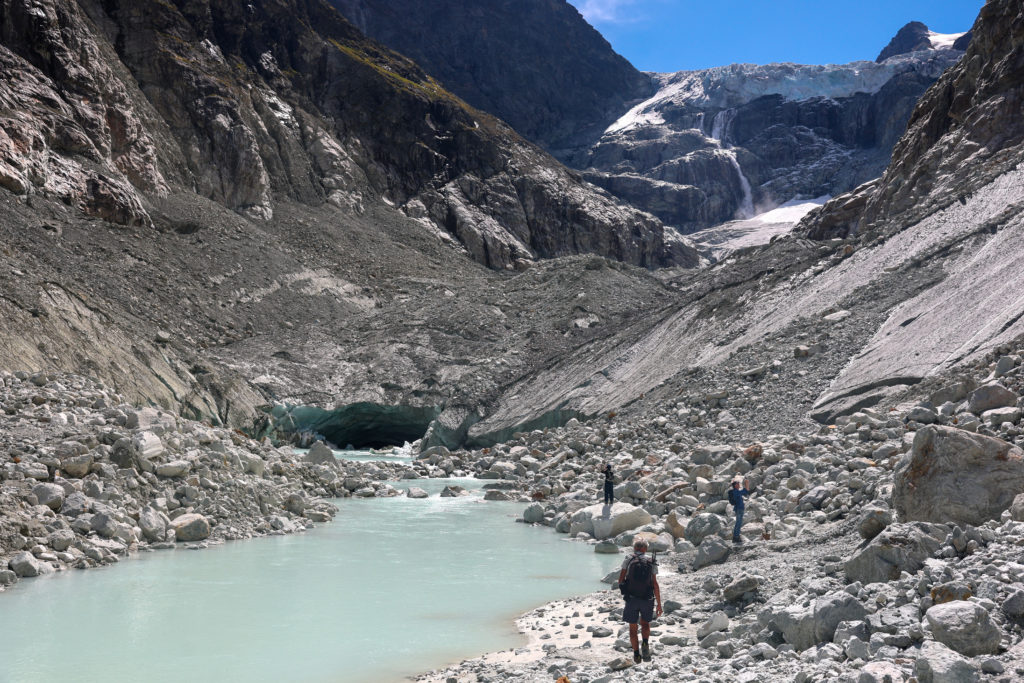
The most optimistic scenario has warming peaking at 1.8°C (3.2°F) around mid-century if countries pursue ambitious climate goals. But under governments' current policies, warming would reach 2.6°C (4.7°F) by 2100. The decades of overshoot will bring increased weather disasters, rising seas, extinctions, and melting ice and glaciers.
UN Secretary-General António Guterres warned that 'humanity is speeding past the limit to avoid climate catastrophe.' Report co-author Richard Betts described it as a 'reality check,' noting that 'we have to live with this warmer world' but that there is still a lot that can be done to limit further warming.