What we want is a hunter gatherer lifestyle with space age tools (2022)
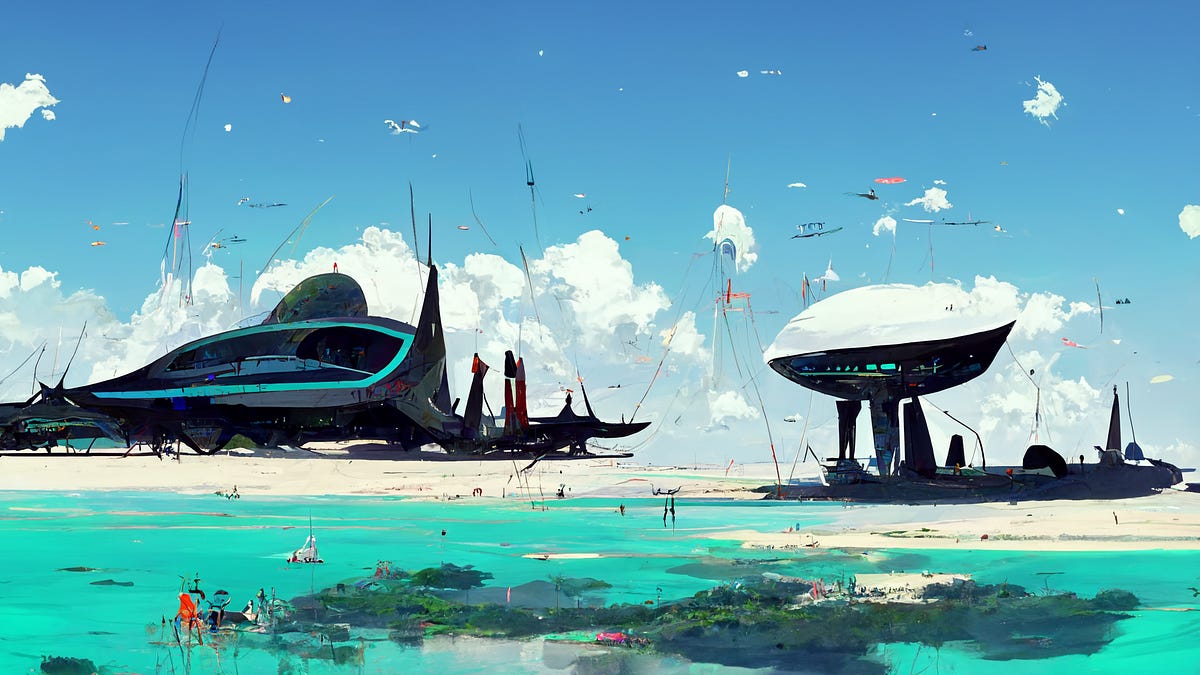
The essay opens by describing two mind-sets: those convinced there is more to life chase it without finding it, while those convinced there isn't face an abyss. The common vision of utopia, it says, is simply today's world without work—where nobody is particularly bereft, only mildly discontent. Yet the author notes that most modern annoyances, especially in online discourse, arise from institutions growing too large for individuals to control.
Degrowth agendas are nostalgic for a specific past: communities of mutually loving people, no middlemen, no bureaucracy, and a social good visible at a glance—essentially the simple life. Against this, the essay describes today's alien structures: workplaces built by strangers, ephemeral relationships, and expertise detached from savannah survival. We feel like a small part of a vast wheel, too smart to ignore the abyss but too stupid to cross it.
The author then traces how industrialization replaced individualized approaches: education shifted from individual tutoring to industrialized methods, losing individuality as numbers grew; jobs moved from apprenticeships to credentialling; governance evolved from simple rules to elaborate codified instructions; and medicine, overwhelmed by patients, replaced individualized care with rule-based systems like strict time limits. The excerpt cuts off mid-sentence as it starts to list one such rule.